• Home
  • Start Here
  • Systems
  • Deep Dives
  • The Question
  • System Watch
  • System Health
  • Toolkit
  • Books
  • Videos
  1. You are here:  
  2. Home
  3. The Money System

The Machine - How Money Actually Circulates

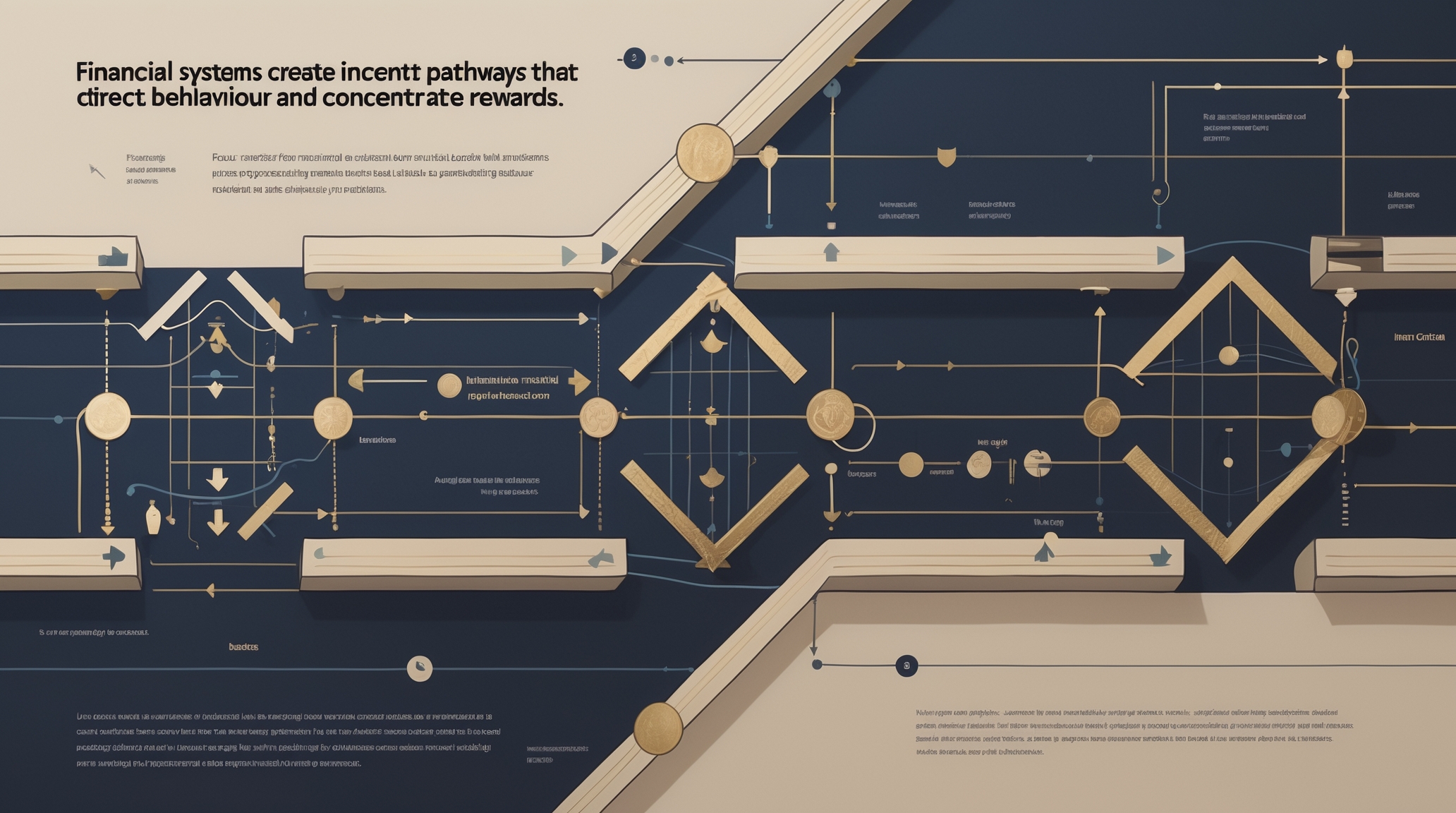
You earn money. You spend money. You save money. And in between earning and spending, money moves. It moves through your bank account. Through payment systems. Through the accounts of businesses, governments, and other people. It circulates. And the circulation is not random. It follows pathways. Structured pathways. Pathways built by institutions, regulated by rules, and powered by incentives that most people never see.
Read more →

The Incentives - Who Profits From Money

Money moves. And every time it moves, someone profits. Not the person spending it. Not usually the person receiving it. But the people and institutions that facilitate the movement. The ones who create the money. The ones who transfer it. The ones who convert it. The ones who hold it. These are the intermediaries. And intermediation is where the profit is.

The money system is not just a utility. It is not just infrastructure that exists to make transactions easier. It is a business. A very profitable business. And understanding who profits, and how, is the key to understanding why the system is structured the way it is. Because the structure reflects the interests of the people extracting value from it. And those interests are not always aligned with yours.

Let me show you who profits from money.

Read more →

The Feedback Loops - What Stabilizes or Destabilizes

The money system does not sit still. It moves. It expands. It contracts. And the movement is not random. It follows patterns. Patterns driven by feedback loops. Loops that either stabilize the system or push it toward extremes. And understanding these loops is the key to understanding why the system behaves the way it does. Why it sometimes feels stable for years. And why it sometimes collapses in months.

A feedback loop is what happens when the output of a system becomes the input. When the result of an action feeds back and changes what happens next. And in the money system, feedback loops are everywhere. Some of them keep things steady. Some of them amplify. And when the amplifying loops take over, the system spirals. Up or down. Boom or bust. And no one can stop it until it runs out of momentum.

Read more →

Why the Money System Resists Change

Every financial crisis produces the same response. Outrage. Investigations. Promises that it will never happen again. And then, reform. New rules are written. New regulations are passed. Oversight is strengthened. The system, we are told, has learned its lesson. This time, things will be different.

And for a while, they are. Banks are more cautious. Regulators are more vigilant. The memory of the crisis is fresh. But then time passes. The economy recovers. Profits return. And slowly, quietly, the reforms weaken. Loopholes are found. Enforcement is relaxed. The rules are rewritten. And within a decade, sometimes less, the system looks remarkably similar to how it looked before the crisis. As if nothing was learned. As if the crisis never happened.

Read more →

Where Central Banks Have Leverage

The money system is vast. Complex. Resistant to control. But it is not entirely beyond influence. There are points where pressure works. Where intervention changes outcomes. Where the system, despite its size and momentum, responds. And most of those points are controlled by central banks.

Central banks are not all-powerful. They cannot dictate what happens. They cannot force people to borrow or lend. They cannot set prices or determine asset values. But they have tools. Tools that shape the conditions under which everyone else operates. And when those tools are used well, they steer the system. Not perfectly. But enough to matter.

Let me show you where central banks have leverage.

Read more →

Case Study - The 2008 Financial Crisis

In 2007, the money system broke. Not slowly. Not in one place. But everywhere at once. Banks that had been profitable for decades collapsed in weeks. Markets that had been liquid froze. Credit that had been flowing stopped. And the global economy, which had been growing steadily, tipped into the worst recession since the Great Depression. Millions lost their jobs. Trillions in wealth evaporated. And governments, scrambling to prevent total collapse, spent sums that would have been unthinkable just months before.

Read more →

Book Feature

The Blueprint: How Britain's System Really Works and What You Can Do About It

The Blueprint

Why do the same political and economic problems repeat decade after decade? This book reveals the deeper machinery behind Britain’s institutions — the incentives, constraints and feedback loops that quietly shape outcomes.

Once you understand the system, you can finally see where real leverage exists.

Explore the Book →

Book Feature

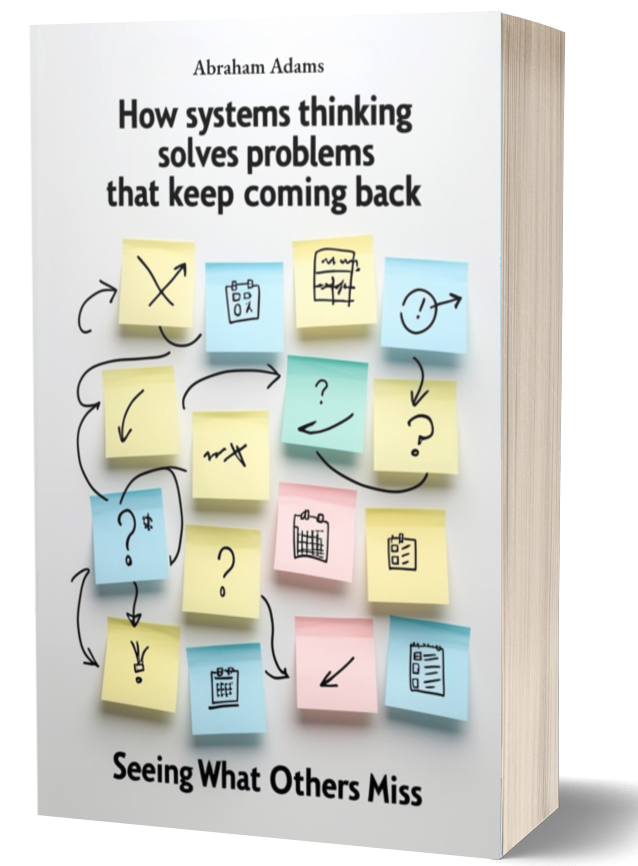
How Systems Thinking Solves Problems That Keep Coming Back

How Systems Thinking Solves Problems That Keep Coming Back

Many problems return again and again because the underlying system is never examined. This book introduces the practical mindset of systems thinking — a way to see incentives, feedback loops and hidden structures shaping outcomes.

Explore the Book →

How To Map The System

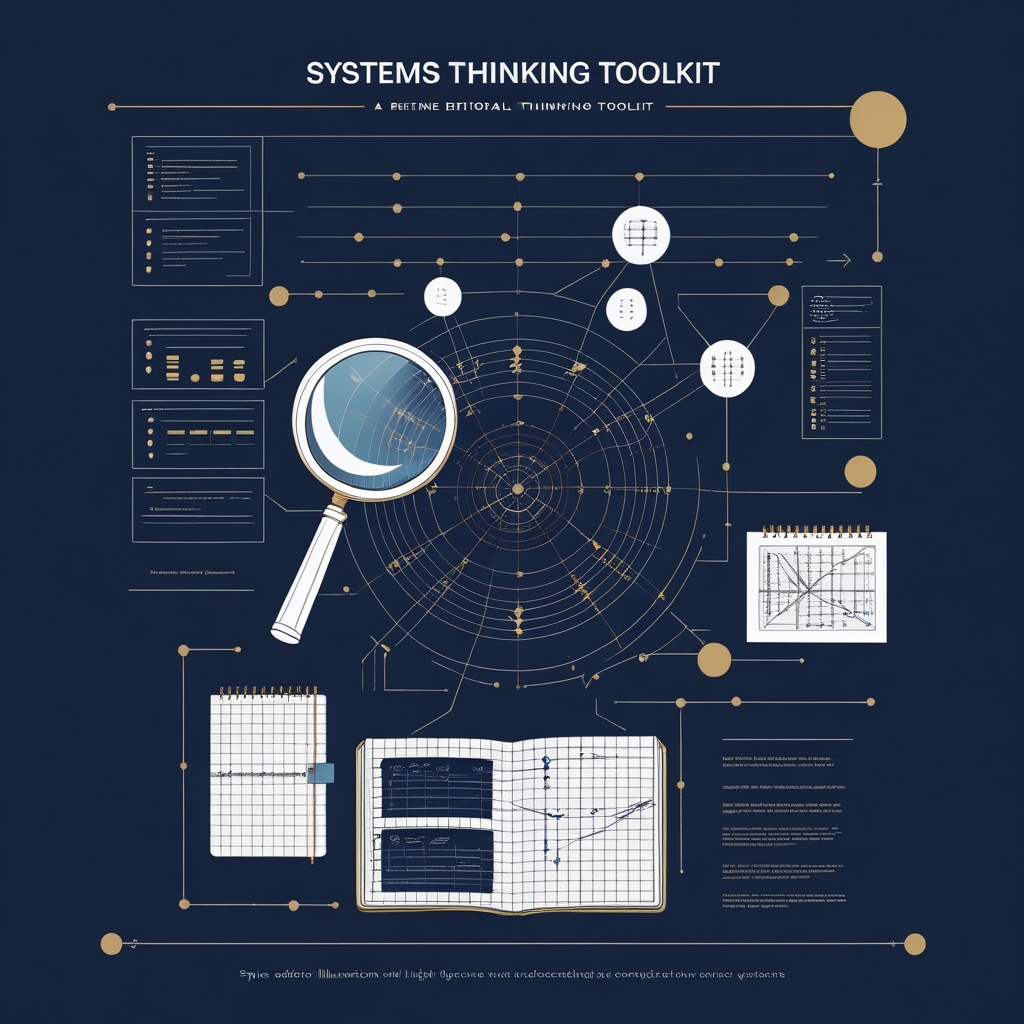
The Toolkit

The Toolkit

Practical methods to map systems, trace incentives, uncover feedback loops, and identify where real leverage exists. Learn how to analyse any system and understand how it truly works.

Explore the Toolkit →

How Money Flows

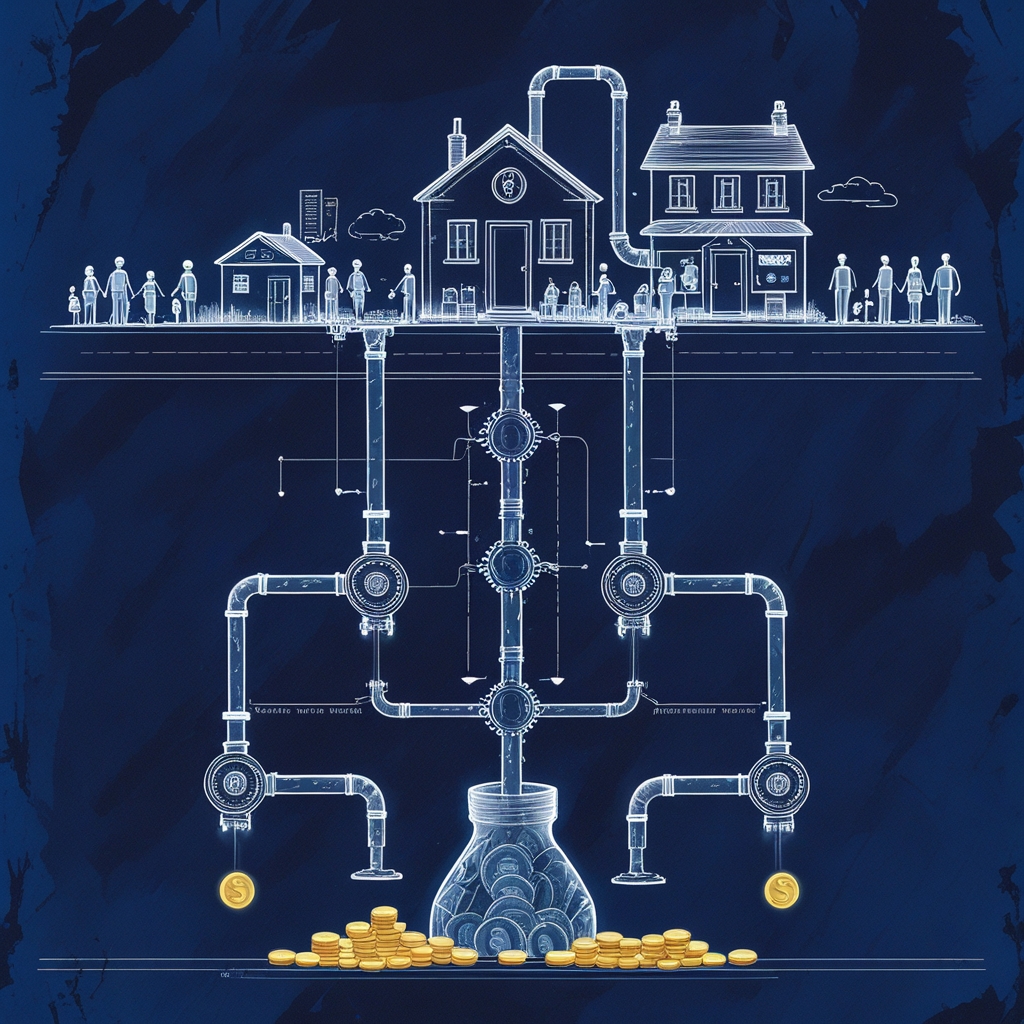
The Extraction Pattern

The Extraction Pattern

How extraction works across systems — where value is drawn from the many and concentrated toward the few through structure, incentives, and design.

Read the Article →

Books

Explore the Books

  • The Blueprint
  • Understanding Systems Thinking
  • How Systems Thinking Solves Problems That Keep Coming Back
  • The Chain Reaction Effect: Change One Thing, Change Everything
  • Browse Books

Topics

  • Home
  • Start Here
  • Systems
  • Toolkit
  • Fundamentals
  • Deep Dives

Deep Dives

  • The Money System
  • The Customer Service System
  • The UK Housing System
  • The UK Student Loan System
  • The UK Health System
  • The UK Childcare System

Resources

  • Books
  • Videos
  • Toolkit
  • Disclaimer
  • Privacy Policy
  • Contact Us
© 2026 Think On The System | Disclaimer | Privacy Policy