The Feedback Loops - What Stabilizes or Destabilizes
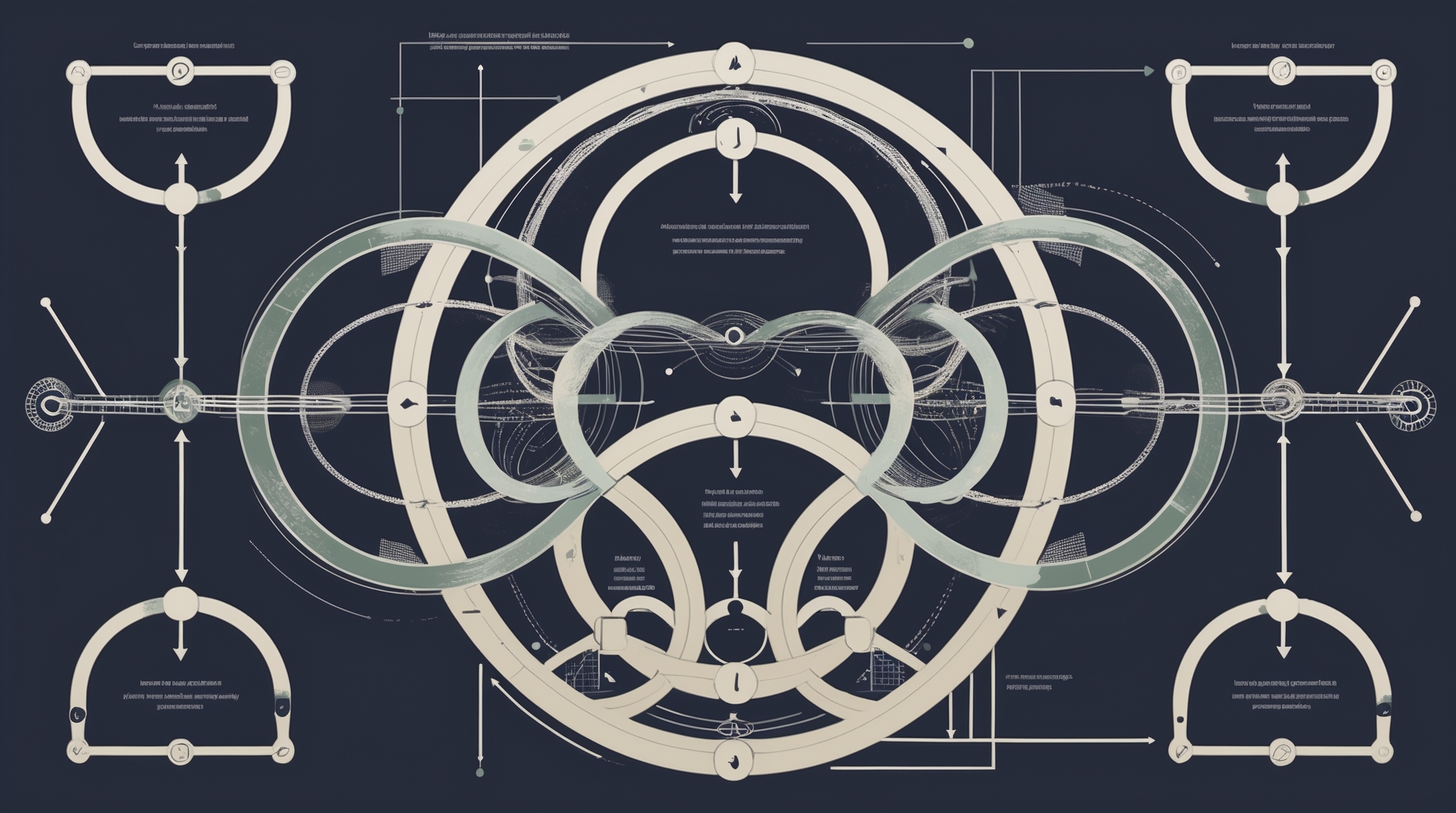
The money system does not sit still. It moves. It expands. It contracts. And the movement is not random. It follows patterns. Patterns driven by feedback loops. Loops that either stabilize the system or push it toward extremes. And understanding these loops is the key to understanding why the system behaves the way it does. Why it sometimes feels stable for years. And why it sometimes collapses in months.
A feedback loop is what happens when the output of a system becomes the input. When the result of an action feeds back and changes what happens next. And in the money system, feedback loops are everywhere. Some of them keep things steady. Some of them amplify. And when the amplifying loops take over, the system spirals. Up or down. Boom or bust. And no one can stop it until it runs out of momentum.
Let me show you the loops that matter.
The first loop is the credit expansion loop. This is a reinforcing loop. It amplifies. Here is how it works. When confidence is high, people borrow. Borrowing creates money. More money means more spending. More spending means more income for businesses. Businesses, seeing higher income, invest and expand. Expansion creates jobs. Jobs create income. Income increases confidence. And confident people borrow more. The loop feeds itself.
This is why economies grow. Not just because of productivity. But because of credit. Credit allows people to spend money they do not have yet. To buy houses, start businesses, invest in education. And that spending creates economic activity. Which generates the income needed to repay the debt. As long as the income materializes, the loop is virtuous. Growth funds more growth. And everyone benefits.
But the loop does not stop on its own. It keeps going. And as it goes, people take on more debt. Not because they are reckless. But because borrowing has been working. Prices have been rising. Incomes have been growing. So borrowing more feels safe. Rational, even. And lenders, seeing that borrowers have been repaying, lend more freely. They compete for borrowers. They lower standards. They offer bigger loans. And the loop accelerates.
Now add in asset prices. When credit is expanding, asset prices rise. Housing. Stocks. Businesses. Because people are borrowing to buy these things. And as prices rise, people feel wealthier. Wealthier people spend more. And they borrow more, using their rising assets as collateral. Rising prices justify more borrowing. More borrowing pushes prices higher. The loop reinforces. And the system inflates.
This is the boom. And during the boom, it feels like it will never end. Because every indicator points up. Growth is strong. Employment is high. Confidence is surging. And anyone who warns that the debt is unsustainable is dismissed. Because it has been sustainable so far. The loop is working. Why would it stop?
But here is the problem. The loop depends on confidence. And confidence depends on expectations. Expectations that prices will keep rising. That income will keep growing. That debt will be repayable. And those expectations are fragile. Because they are based on the assumption that the future will resemble the recent past. And eventually, it does not.
The second loop is the confidence breakdown loop. This is also a reinforcing loop. But it works in the opposite direction. And it starts when something shifts. Maybe interest rates rise. Maybe a big borrower defaults. Maybe a bubble bursts. Whatever the trigger, confidence cracks. And once it cracks, the loop reverses.
Nervous borrowers stop borrowing. Nervous lenders stop lending. Credit stops expanding. And because money is created through credit, the money supply stops growing. Spending slows. Businesses see less demand. They cut investment. They lay off workers. Unemployment rises. Income falls. People who lose income cannot repay their debts. Defaults increase. Defaults make lenders even more nervous. They tighten lending further. Less lending means less money. Less money means less spending. The loop spirals downward.
And now asset prices fall. Because people are not borrowing to buy them. And as prices fall, people who borrowed against those assets are in trouble. Their collateral is worth less than their debt. They are underwater. Some of them default. More defaults. More nervous lenders. Tighter credit. Lower prices. The loop accelerates. And what was a boom becomes a bust.
This is the contraction. And during the contraction, it feels like it will never end. Because every indicator points down. Growth is negative. Unemployment is rising. Confidence is collapsing. And anyone who says the economy will recover is dismissed. Because it keeps getting worse. The loop is working in reverse. Why would it stop?
But it does stop. Eventually. Because central banks intervene. They lower interest rates. They inject liquidity. They backstop the banks. And slowly, painfully, confidence starts to rebuild. Borrowing resumes. Credit expands again. And the loop reverses. Again.
This is the cycle. Expansion and contraction. Driven by confidence. Amplified by credit. And repeated, over and over, because the structure of the system makes it inevitable.
The third loop is the interest rate transmission loop. This is a balancing loop. It is supposed to stabilize. Here is how it is meant to work. The central bank sets interest rates. If the economy is growing too fast, inflation rises. The central bank raises rates. Higher rates make borrowing more expensive. People borrow less. Spending slows. Growth cools. Inflation falls. The system stabilizes.
If the economy is slowing, unemployment rises. The central bank lowers rates. Lower rates make borrowing cheaper. People borrow more. Spending increases. Growth accelerates. Unemployment falls. The system stabilizes.
This is monetary policy. And in theory, it works. The central bank acts as a thermostat. Too hot, cool it down. Too cold, heat it up. Keep the system in balance.
But in practice, it is not that simple. Because the transmission mechanism, the process by which interest rate changes affect the economy, is slow and unpredictable. When the central bank changes rates, the effect does not happen immediately. It takes months. Sometimes years. And by the time the effect is felt, the situation has changed. So the central bank is always adjusting based on old information. And the adjustments, while well-intentioned, often arrive too late or go too far.
Lower rates during a boom add fuel to the fire. By the time the central bank realizes the economy is overheating, the boom is already unsustainable. Raising rates during a bust makes the contraction worse. By the time the central bank realizes the economy is in trouble, the damage is done. The balancing loop is supposed to stabilize. But the delays mean it often amplifies instead.
The fourth loop is the currency value loop. This is another balancing loop. If a country's currency is strong, its exports become expensive. Foreigners buy less. The trade balance worsens. Demand for the currency falls. The currency weakens. As it weakens, exports become cheaper. Foreigners buy more. The trade balance improves. Demand for the currency rises. The currency strengthens. The loop balances.
But the loop is also influenced by capital flows. If a country has high interest rates, investors buy its currency to invest there. Demand for the currency rises. The currency strengthens. If a country has low interest rates, investors move their money elsewhere. Demand for the currency falls. The currency weakens. So the currency value loop interacts with the interest rate loop. And the interaction creates instability.
A strong currency makes exports less competitive. So the central bank might lower rates to weaken it. But lower rates also stimulate borrowing and spending. Which can cause inflation. Which might require raising rates. Which strengthens the currency. The central bank is trying to balance multiple objectives. Growth. Inflation. Currency value. And the tools available, mainly interest rates, affect all of them at once. So the balancing is imperfect. And the imperfection creates volatility.
The fifth loop is the debt sustainability loop. This is a tipping point loop. As long as income is growing, debt is sustainable. Borrowers can service their debt. Lenders keep lending. The system is stable. But if income stops growing, or if it falls, debt becomes harder to service. Defaults rise. Lenders pull back. Less lending means less money. Less money means less spending. Less spending means less income. And less income makes debt even harder to service. More defaults. The loop tips. And once it tips, it accelerates.
This is why debt crises are so destructive. Because the structure makes them self-reinforcing. Once defaults start, they feed on themselves. And stopping the spiral requires intervention. Massive intervention. Bailouts. Stimulus. Debt forgiveness. Something to break the loop before it destroys the system.
The sixth loop is the inflation expectations loop. If people expect prices to rise, they act accordingly. Workers demand higher wages. Businesses raise prices. Both actions cause inflation. Which confirms the expectation. Which causes more wage demands and more price rises. The loop reinforces. And inflation accelerates.
Central banks try to manage expectations. They communicate. They signal. They try to convince people that inflation will stay low. Because if people believe it, they act as if it is true. And their actions make it true. This is why central bank credibility matters. If people trust that the central bank will control inflation, expectations stay anchored. And anchored expectations make inflation easier to control.
But if credibility is lost, if people stop believing the central bank can or will control inflation, expectations become unanchored. And unanchored expectations create a loop that is very hard to break. Because the central bank has to raise rates high enough to cause a recession. To break the wage-price spiral by force. Which is painful. And politically difficult. So central banks fight hard to protect their credibility. Because losing it makes their job far harder.
The seventh loop is the bank run loop. This is a destabilizing loop. And it is driven by fear. Banks hold only a fraction of the deposits they owe. Most of the money is lent out. Or created through lending. So if enough people try to withdraw at once, the bank cannot pay. It fails.
Now, most of the time, people do not withdraw. Because they trust the bank. And they know that if everyone tried to withdraw, the system would collapse. So they leave their money where it is. The system is stable. But the stability depends on confidence. And confidence is psychological.
If people start to doubt the bank, they withdraw. Other people see the withdrawals. They get nervous. They withdraw too. The bank's reserves drain. It borrows from other banks. But if other banks are also nervous, they refuse. The bank turns to the central bank. The central bank lends. But if the run continues, even the central bank cannot save it. The bank fails. And the failure scares depositors at other banks. They start withdrawing. The contagion spreads. The loop cascades.
This is why bank runs are so dangerous. Because they are self-fulfilling. If people believe the bank will fail, their actions cause it to fail. Even if the bank was solvent before the run started. This is why governments guarantee deposits. To prevent the run from starting. Because preventing it is far easier than stopping it once it begins.
So here are the loops. Credit expansion during booms. Confidence breakdown during busts. Interest rate transmission, slow and imperfect. Currency value, balancing trade but creating volatility. Debt sustainability, stable until it tips. Inflation expectations, self-reinforcing in both directions. And bank runs, driven by fear and contagion.
These loops interact. They overlap. They amplify each other. And together, they create the behavior of the money system. Stability during good times. Instability during transitions. And crisis when the amplifying loops take over and the balancing loops cannot keep up.
The system is not simple. It is not predictable. And it is not controllable. Because the loops are stronger than any single actor. Even central banks, with all their power, are just one player in a system driven by millions of decisions. Decisions by borrowers. By lenders. By investors. By businesses. By consumers. All of them responding to the signals they see. All of them creating feedback. And all of that feedback feeding into loops that no one fully understands and no one can fully control.
The next article will show you why this system resists change. Why, even after crises reveal its flaws, the structure stays largely the same. Why reforms are weak and temporary. Why the interests that benefit from the system protect it. And why the rest of us are left navigating a system designed for someone else's benefit.