System Archetypes
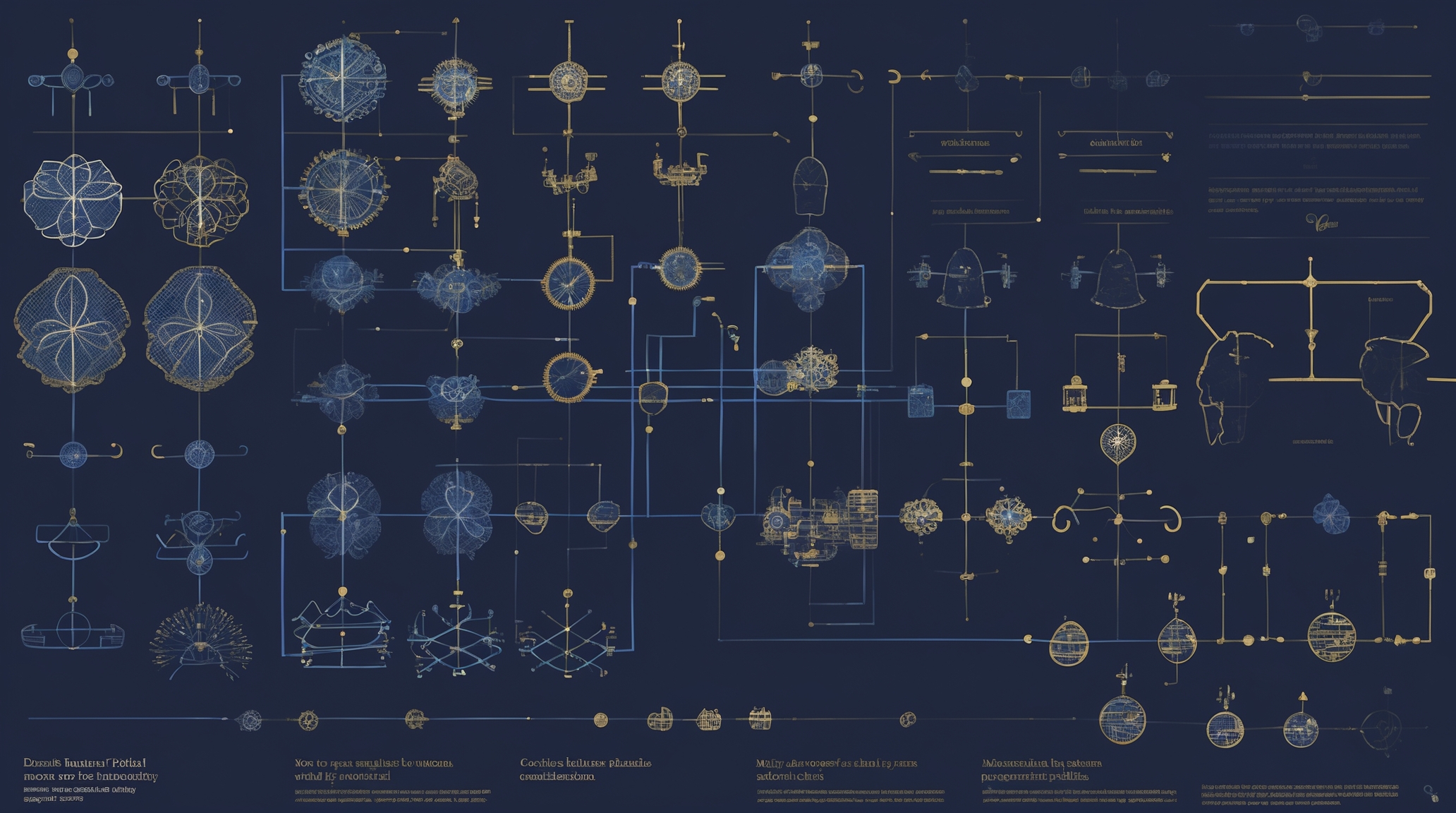
You analyze a system, you map the structure, you trace the feedback loops, and you start to see patterns. And then you analyze another system, completely different domain, different actors, different context, and you see the same pattern. The structure is the same, the dynamics are the same, the problems are the same, even though the specifics are different. This is not coincidence. This is a system archetype, a recurring pattern of structure and behavior that appears across many different systems.
System archetypes are like templates, like blueprints that describe common configurations of feedback loops, common dynamics, and common failure modes. And recognizing these archetypes is powerful because once you see the pattern, you understand the behavior, you can predict what will happen next, and you know where to intervene. You do not have to start from scratch with every system, you can recognize the archetype and apply what you already know about how that pattern behaves.
There are dozens of system archetypes that have been identified and documented, and different systems thinkers group them and name them differently. But there are a handful of core archetypes that appear constantly, that drive many of the problems we see in organizations, in policy, in markets, in social systems. And learning to recognize these archetypes is one of the most practical skills you can develop in systems thinking.
Let me show you the most important system archetypes, how they work, and where you see them.
The first archetype is Limits to Growth. This is one of the most common and most important patterns, and it appears whenever a reinforcing loop driving growth encounters a balancing loop that limits that growth. Early on, the reinforcing loop dominates, and growth is exponential, rapid, exciting. But as growth continues, the limiting factor becomes stronger, and growth slows, plateaus, or even reverses.
The structure is simple. There is a reinforcing loop generating growth, more of something produces even more of it. And there is a balancing loop imposing a limit, as the stock grows, something constrains further growth. And the behavior is predictable. Early rapid growth, then slowing, then stagnation or decline as the limit is reached.
You see this everywhere. A startup grows rapidly by attracting customers, but then it hits a limit, maybe market saturation, maybe capacity constraints, maybe quality degradation as it scales, and growth stalls. A population grows exponentially, but then it hits resource limits, food, water, space, and growth slows or the population crashes. A new technology is adopted rapidly, but then it hits a limit, maybe technical constraints, maybe market saturation, maybe regulatory barriers, and adoption plateaus.
The mistake people make with Limits to Growth is assuming that the early rapid growth will continue indefinitely. They extrapolate, they project exponential growth into the future, and they are surprised when it stops. But the limit was always there, it was just not binding early on, and as growth continued, the limit became more and more constraining until it dominated.
The intervention is to identify the limit and either remove it, increase capacity, reduce demand, or accept that growth will slow and plan accordingly. But removing one limit often just exposes the next limit, and systems tend to be limited by multiple factors, so managing Limits to Growth requires continuously identifying and addressing bottlenecks.
The second archetype is Shifting the Burden. This occurs when a problem has two potential solutions, a symptomatic solution that addresses the symptom quickly and easily, and a fundamental solution that addresses the root cause but is slower, harder, or more expensive. People naturally choose the symptomatic solution because it provides quick relief. But the symptomatic solution does not fix the underlying problem, so the problem recurs, and people apply the symptomatic solution again. And over time, reliance on the symptomatic solution weakens the ability or willingness to pursue the fundamental solution, and the problem becomes chronic.
The structure is two balancing loops. One loop applies the symptomatic solution to reduce the problem symptom. The other loop applies the fundamental solution to reduce the underlying problem. But there is also a reinforcing loop where reliance on the symptomatic solution reduces the capacity or willingness to pursue the fundamental solution.
You see this everywhere. A company has low morale, which reduces productivity. The symptomatic solution is to offer bonuses, perks, motivational speeches. These provide temporary relief, morale rises briefly, but the underlying problem, maybe poor management, unclear strategy, lack of purpose, remains. So morale drops again, and the company offers more bonuses, more perks. And over time, the company becomes dependent on these symptomatic solutions, and it never addresses the fundamental issues, and the problem becomes entrenched.
Or a person is stressed and uses alcohol to cope. Drinking provides quick relief, stress decreases temporarily, but the underlying causes of stress remain. So stress returns, and the person drinks again. And over time, the person becomes dependent on alcohol, and their ability to address the underlying stress through healthier means, exercise, therapy, changing circumstances, weakens. The symptomatic solution becomes the problem.
Or a government faces unemployment and responds with temporary job programs, which provide quick relief but do not address the structural issues causing unemployment, maybe lack of skills, lack of investment, industrial decline. So when the programs end, unemployment returns, and the government launches more programs. And the cycle continues, with dependency on temporary measures and no progress on fundamental reform.
The intervention is to recognize the pattern, to resist the temptation of quick fixes, and to invest in fundamental solutions even when they are slower and harder. And to actively reduce reliance on symptomatic solutions, to make them less attractive, less available, so that pressure builds to address the root cause.
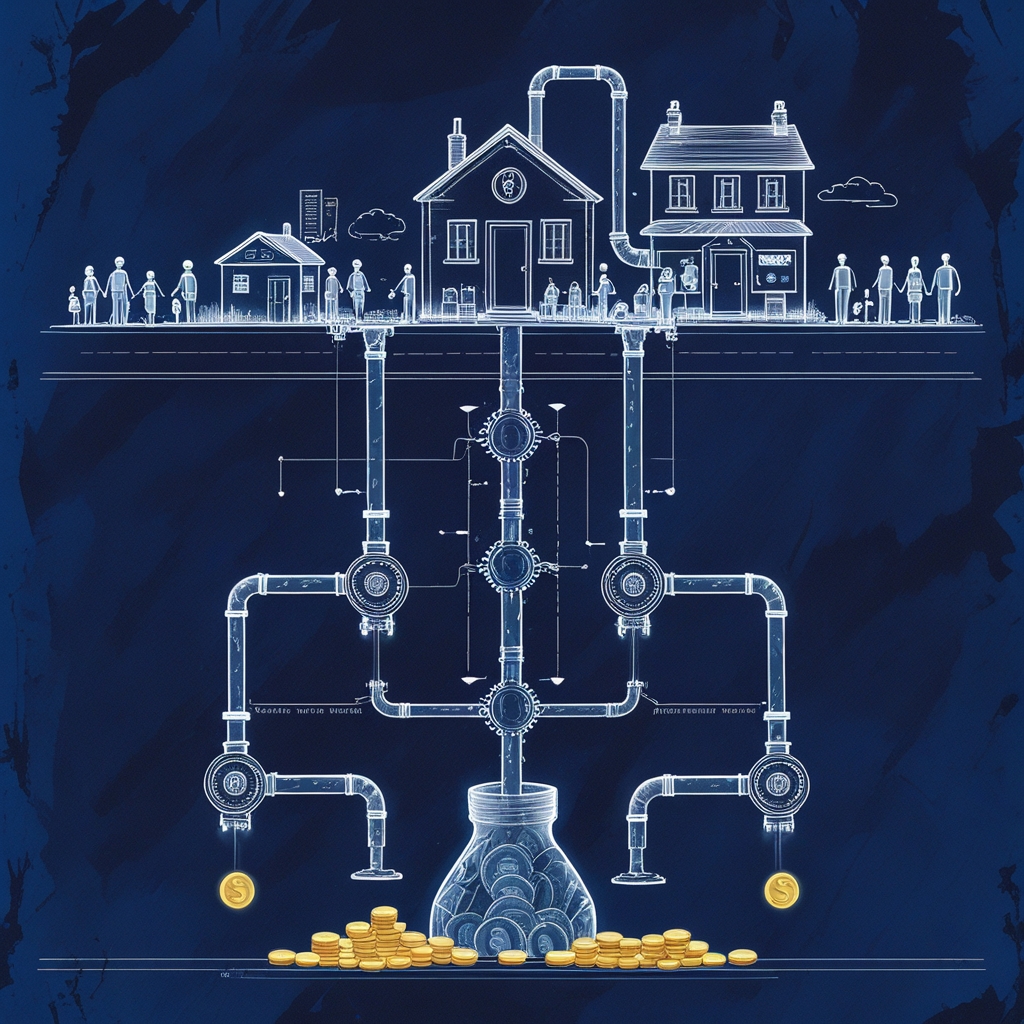
The third archetype is Tragedy of the Commons. This occurs when multiple actors share a common resource, and each actor benefits individually from using the resource, but the costs of overuse are shared collectively. Each actor, acting rationally in their own interest, uses more of the resource than is sustainable, and collectively, they deplete or destroy the resource, harming everyone including themselves.
The structure is a reinforcing loop where individual use of the resource provides individual benefit, which encourages more use. And a balancing loop where total use degrades the resource, which reduces the benefit available to everyone. But the individual benefit is immediate and visible, while the collective cost is delayed and diffused, so individuals keep using even as the resource degrades.
You see this in fisheries, where individual fishermen benefit from catching more fish, but collectively, overfishing depletes the stock and eventually collapses the fishery. In grazing lands, where individual herders benefit from grazing more animals, but collectively, overgrazing degrades the land. In climate, where individual countries and companies benefit from emitting CO2, but collectively, emissions warm the planet and harm everyone.
And you see it in organizations, where teams compete for shared resources, budget, staff, attention, and each team, acting in its own interest, overuses or hoards resources, creating inefficiency and conflict that harms the organization as a whole.
The intervention is regulation, setting limits on individual use, or creating incentives that align individual interest with collective interest, charging for use, rewarding restraint, or privatizing the resource so that one actor bears the full cost of depletion. Or creating norms, social pressure, shared identity that makes overuse socially unacceptable.
The fourth archetype is Escalation. This occurs when two actors are in competition or conflict, and each responds to the other's actions by escalating their own actions. A acts, B perceives this as a threat and responds more aggressively, A perceives B's response as a threat and responds even more aggressively, and the cycle continues, with both sides escalating until the conflict becomes destructive to both.
The structure is two reinforcing loops, one for each actor, where each actor's actions provoke a response from the other, which provokes a further response. And the behavior is runaway escalation, arms races, price wars, conflict spirals.
You see this in geopolitics, where countries build up military capacity, which threatens neighbors, who build up their own capacity, which threatens the first country, and both end up spending enormous amounts on arms that neither wanted but both felt compelled to acquire. In business, where companies cut prices to gain market share, competitors cut prices in response, and the price war escalates until both are losing money. In relationships, where one person criticizes, the other responds defensively and criticizes back, and the conflict escalates until the relationship is damaged or destroyed.
The intervention is to break the cycle, to refuse to escalate, to signal restraint, to create communication channels that reduce misperception and build trust, or to impose external limits that prevent escalation.
The fifth archetype is Success to the Successful. This occurs when two actors are competing for a limited resource, and the resource is allocated based on past success. The actor who is initially more successful receives more resources, which makes them even more successful, which gives them even more resources. And the actor who is initially less successful receives fewer resources, which makes them less successful, which reduces their resources further. And the gap between the two widens over time until one dominates and the other fails.
The structure is two reinforcing loops, one for each actor, where success generates resources which generate more success. And a fixed pool of resources, so one actor's gain is the other's loss.
You see this in markets, where successful companies gain market share, which generates revenue, which funds investment, which increases market share further, while struggling competitors lose share, lose revenue, cannot invest, and lose more share. In education, where successful students receive praise and support, which motivates them, which leads to more success, while struggling students receive less support, become discouraged, and fall further behind. In organizations, where successful divisions receive budget and attention, which enables them to succeed further, while struggling divisions are starved of resources and eventually shut down.
The intervention is to rebalance resource allocation, to support the less successful, to limit the dominance of the successful, or to create separate pools of resources so that one actor's success does not directly harm the other.
The sixth archetype is Fixes That Fail. This is similar to Shifting the Burden but focuses on interventions that provide short-term improvement but create long-term problems. A problem exists, an intervention is applied, the problem improves in the short term, but the intervention has unintended side effects that make the problem worse in the long term.
The structure is a balancing loop where the intervention reduces the problem, and a delayed reinforcing loop where the intervention creates side effects that worsen the problem.
You see this in pest control, where pesticides kill pests and improve yields short-term, but also kill natural predators, and pests develop resistance, so in the long term, pest problems worsen and more pesticides are needed. In management, where layoffs reduce costs short-term, but damage morale, reduce capacity, and harm long-term performance. In drug addiction, where drugs provide relief short-term, but create dependency and worsen the underlying issues long-term.
The intervention is to anticipate side effects, to test interventions for delayed consequences, and to pursue solutions that do not create new problems, even if they are slower or more difficult.
So here are the core system archetypes. Limits to Growth, where rapid growth slows as it encounters constraints. Shifting the Burden, where symptomatic solutions suppress fundamental solutions. Tragedy of the Commons, where individual rationality leads to collective harm. Escalation, where competitive responses spiral out of control. Success to the Successful, where initial advantage compounds into dominance. And Fixes That Fail, where short-term solutions create long-term problems.
These archetypes appear constantly, in business, in policy, in relationships, in ecology. And recognizing them allows you to diagnose quickly, to predict dynamics, and to avoid common mistakes. When you see Limits to Growth, you do not assume exponential growth will continue. When you see Shifting the Burden, you resist quick fixes and invest in fundamentals. When you see Tragedy of the Commons, you create regulation or incentives. When you see Escalation, you signal restraint. When you see Success to the Successful, you rebalance. And when you see Fixes That Fail, you anticipate side effects.
The next article will show you boundaries and mental models, how we define what is inside and outside a system, how our beliefs shape what we see, and why challenging your own assumptions is essential for understanding systems accurately.